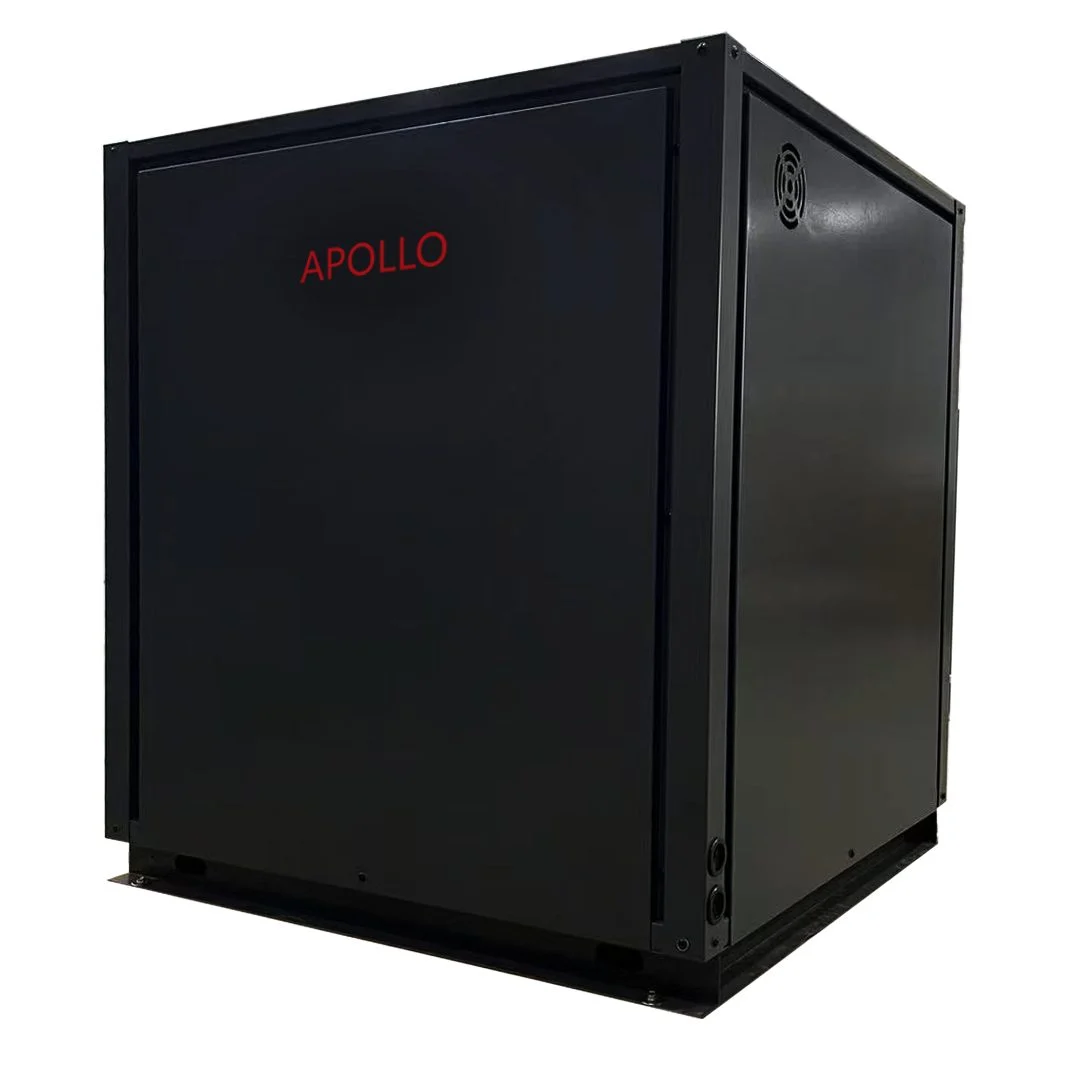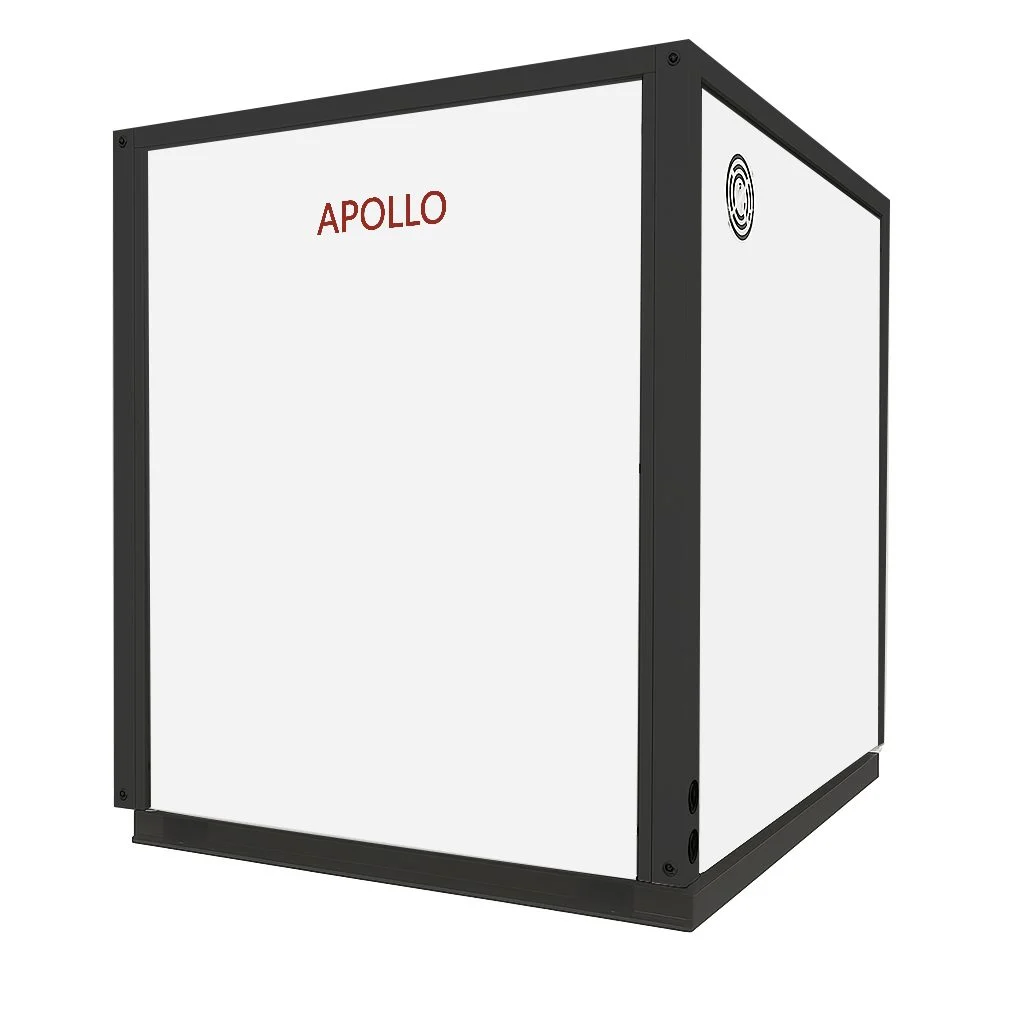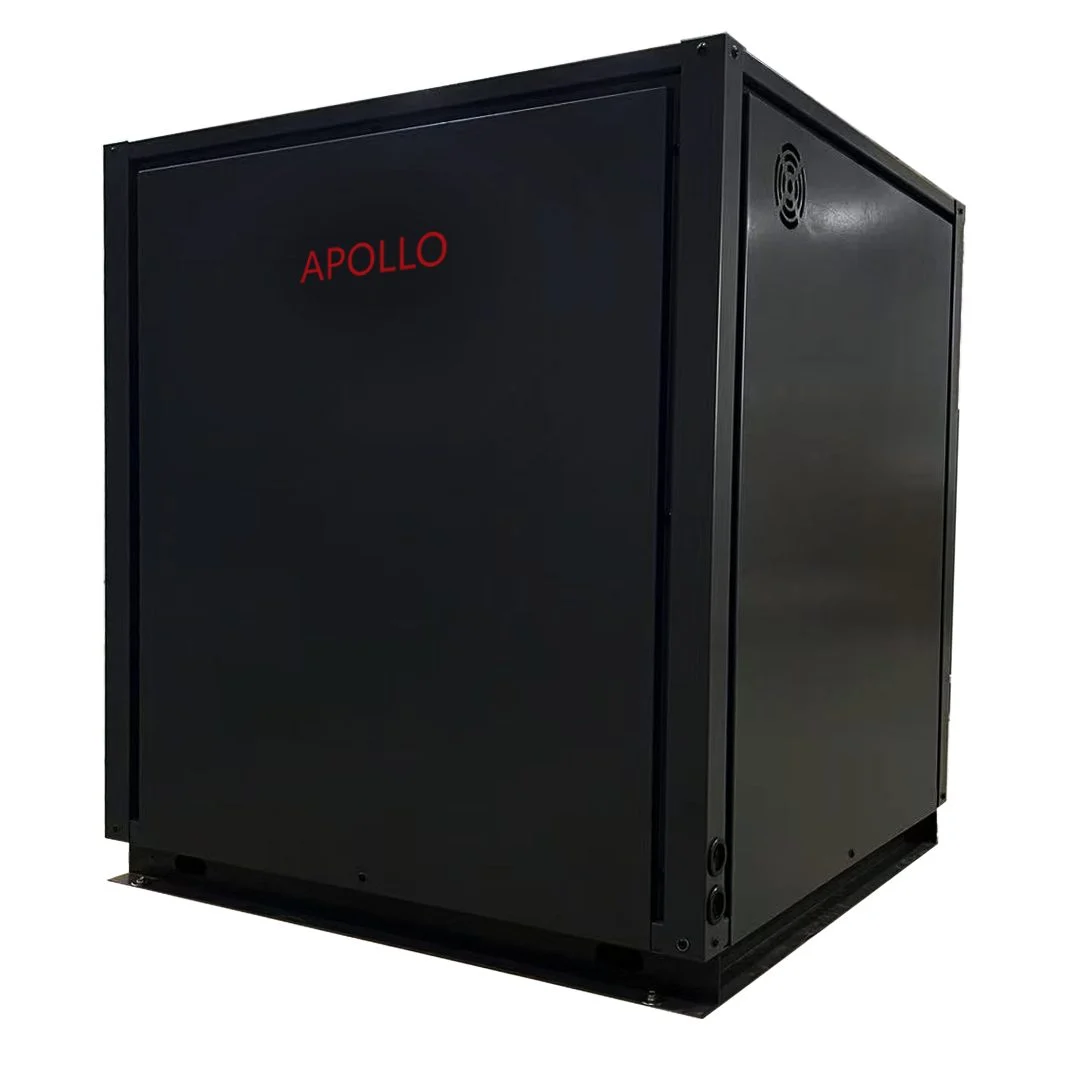
What is a geothermal heat pump?
A geothermal, or ground source, heat pump transfers energy between the earth and a hydronic water loop instead of exchanging heat with outdoor air.
Track orders, manage your details, and sign in without a password.
Stay Cool This Summer - 20% OFF Free Shipping 00d : 00h : 00m : 00s
GROUND SOURCE HYDRONIC SYSTEMS
Water-to-Water Comfort From the Ground Up
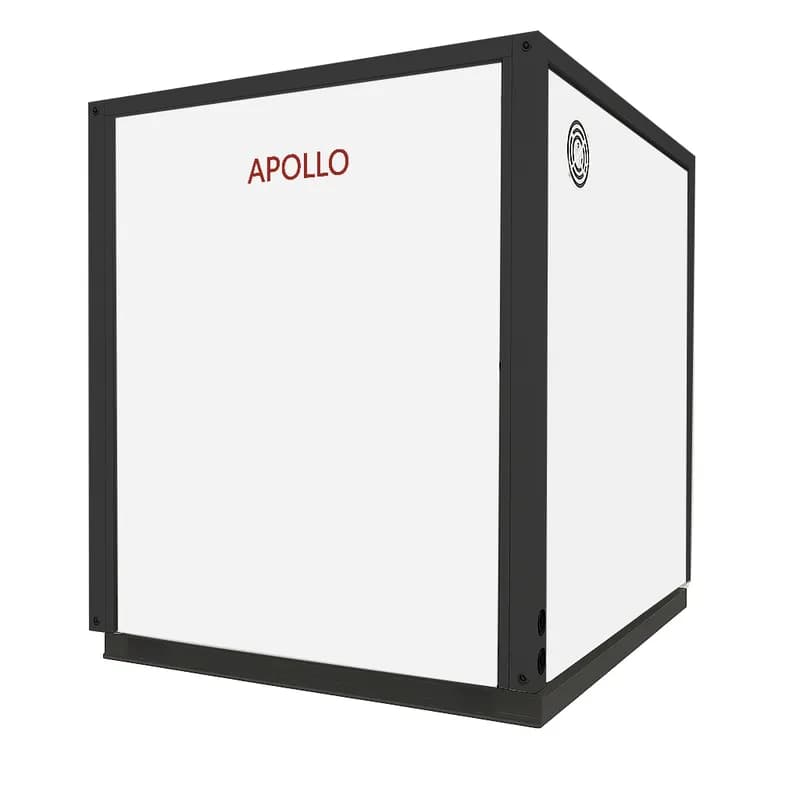
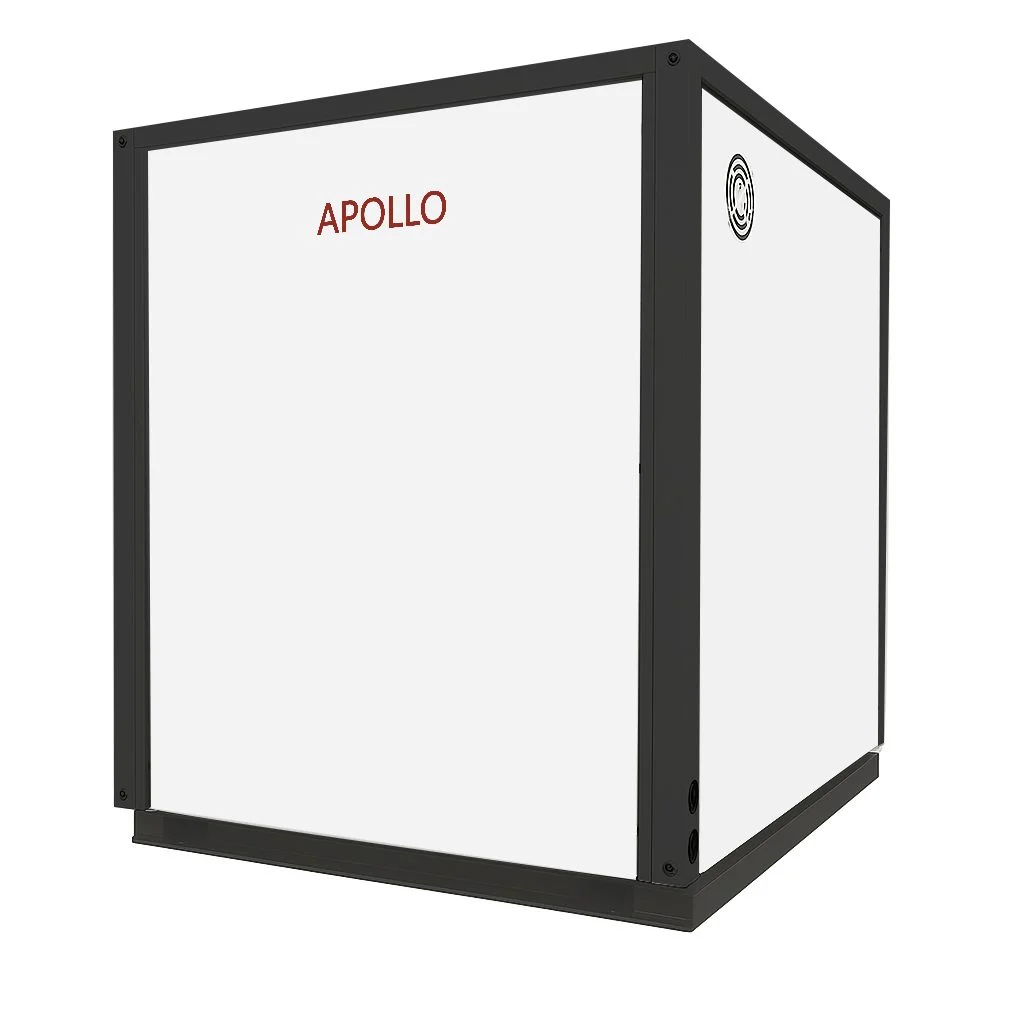
APOLLO geothermal heat pumps use the stable temperature of the earth to deliver efficient heating, cooling, and domestic hot water through one water-to-water hydronic system, designed around your home, ground loop, and comfort needs.
Expert system sizing | Complete packages | Technical support from design to installation
Choose your heat pump
The right APOLLO Geothermal depends on your building load, ground loop, hydronic system, water temperature needs, and efficiency goals. Standard APOLLO Geothermal is the ideal all-in-one choice for most radiant floor, fan coil, air handler, domestic hot water, and pool heating systems. Choose APOLLO Geothermal MAX for premium high-efficiency geothermal performance, green refrigerant, and high-temperature output up to 175°F for radiators, baseboards, and demanding hydronic designs.
APOLLO GEOTHERMAL SERIES
All-in-one geothermal heating, cooling, hot water, and pool heating
APOLLO GEOTHERMAL MAX SERIES
The premium APOLLO Geothermal — higher efficiency and lower running costs, with the capacity to handle radiators, baseboards, and demanding hydronic systems
Not sure which series fits? MBTEK confirms the right APOLLO Geothermal heat pump for your building load, ground loop, hydronic design, water temperature needs, and efficiency goals - just call or contact us.
Models and sizes
APOLLO Geothermal and APOLLO Geothermal MAX are both offered in 4- and 6-ton models. Compare capacity, approximate property size, and standard or premium positioning below.
Properties over 6,000 sq ft may need multiple heat pumps or a staged geothermal heat pump system.
Sizing help
APOLLO Geothermal and APOLLO Geothermal MAX are both offered in 4- and 6-ton models. Final sizing depends on building load, ground loop design, insulation, and hydronic system requirements — not square footage alone.
HOW IT WORKS
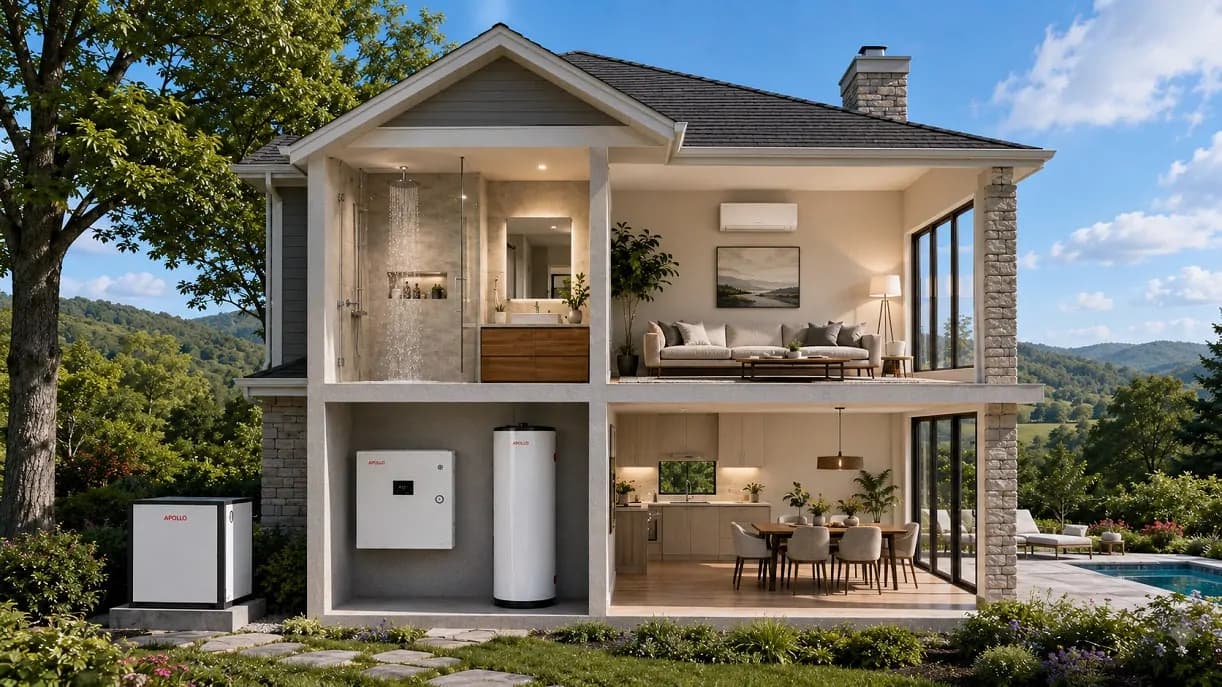
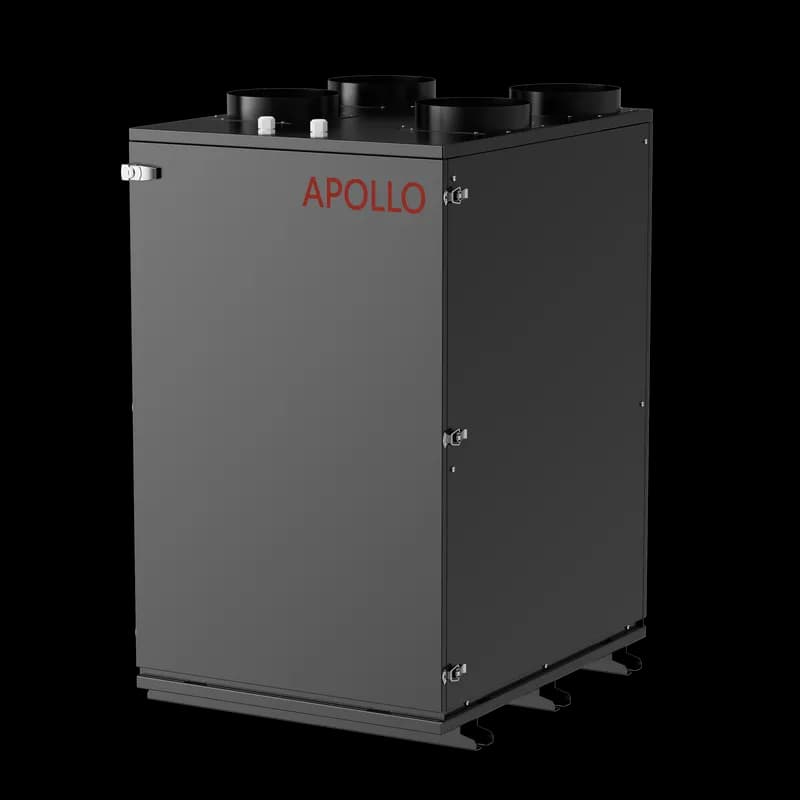
A ground source heat pump moves heat between your home and the earth, where the temperature stays stable all year. A buried ground loop carries that energy to the APOLLO water-to-water heat pump, which heats or chills water for radiant floors, fan coils, air handlers, domestic hot water, and optional pool heating.
HEATING, COOLING & HOT WATER
Choose the indoor equipment, tanks, controls, and distribution options that pair with your geothermal heat pump.
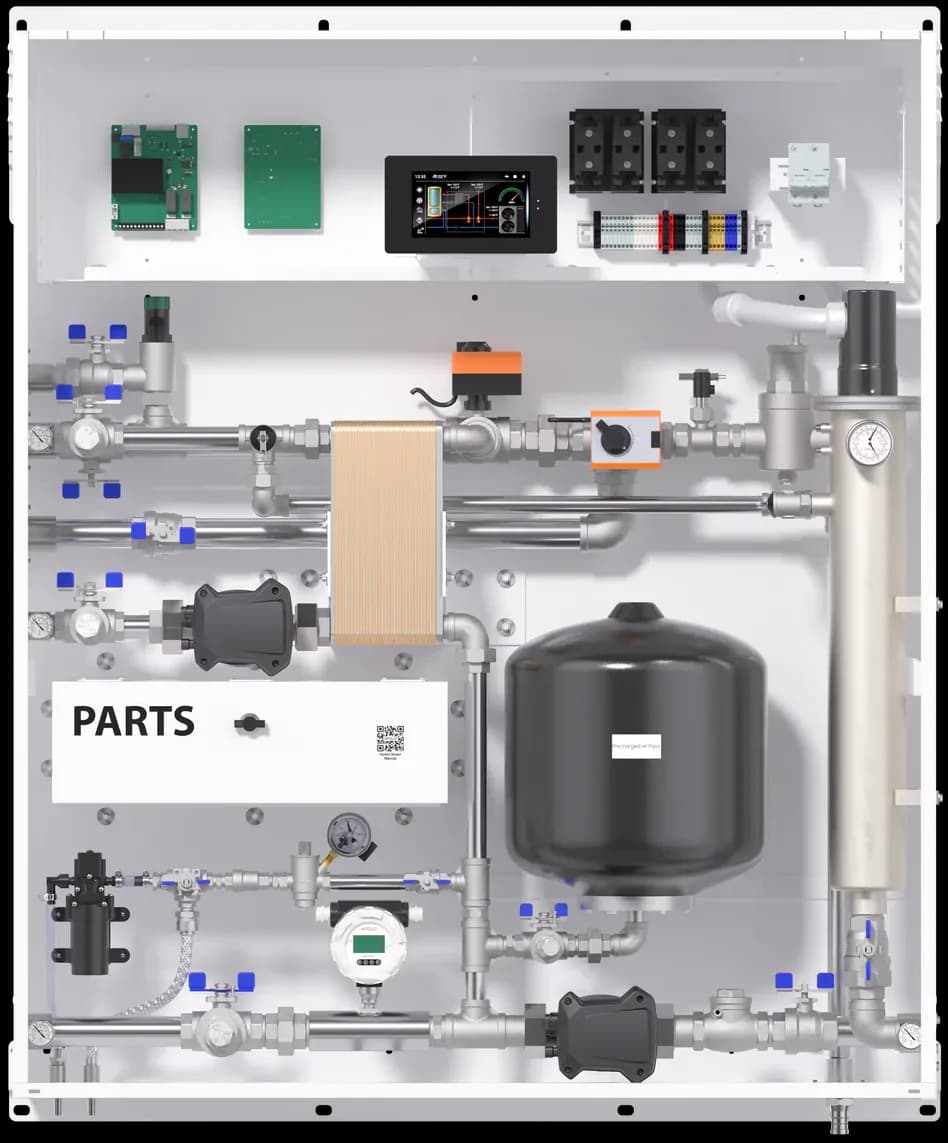
Hydro Smart Station
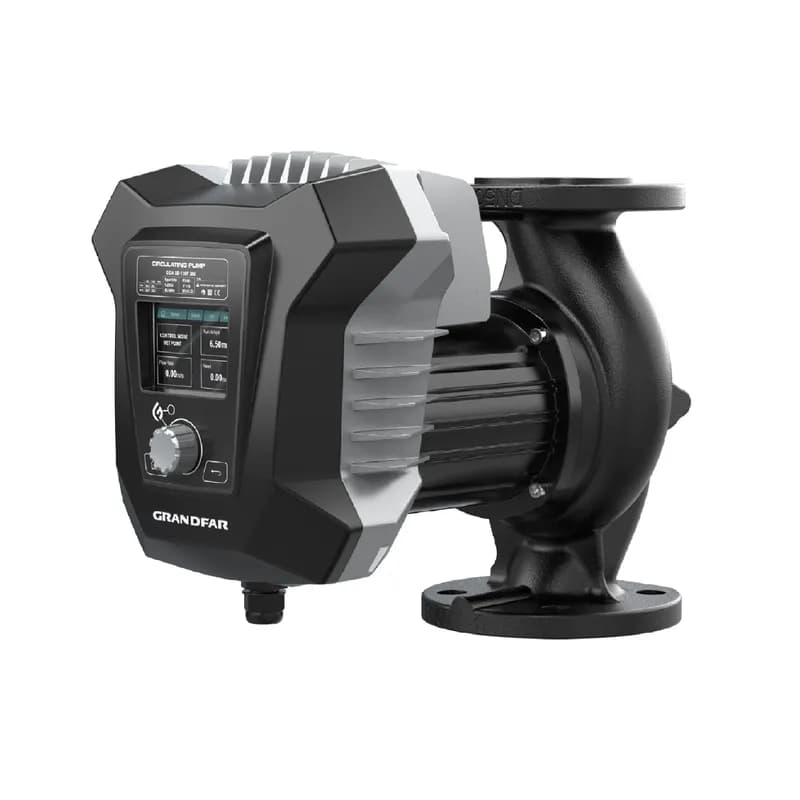
The Hydro Smart Station helps organize the indoor side of a hydronic system by combining key components into one compact station, reducing loose parts and installation labor when planned with your geothermal heat pump.
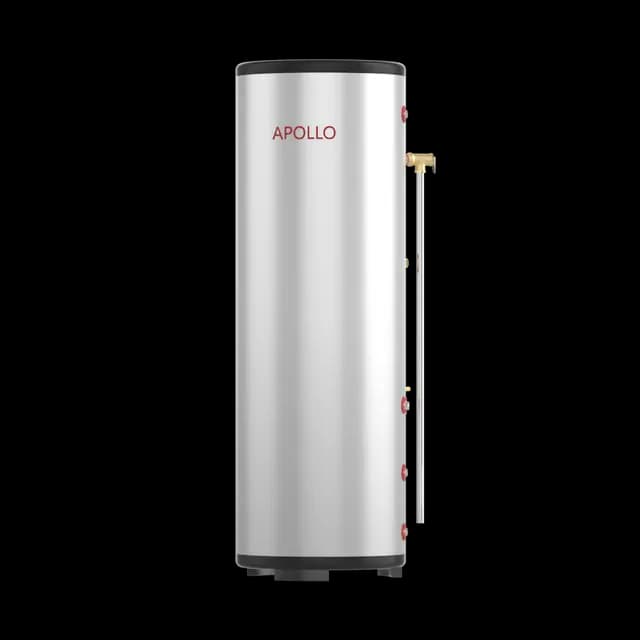
DHW & water tanks
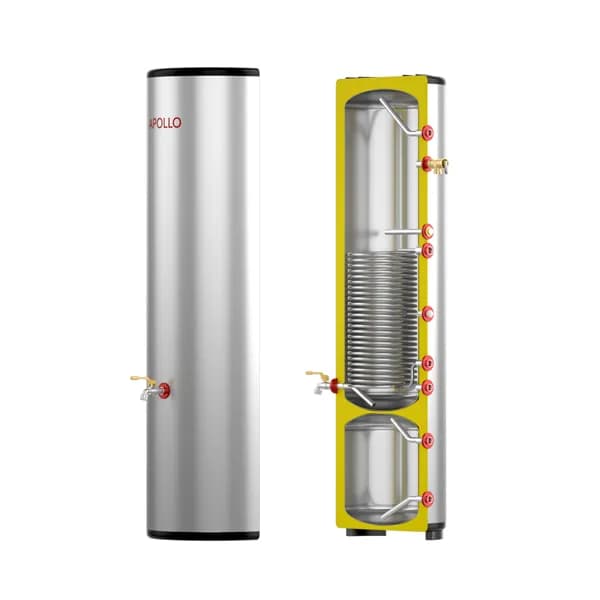
A geothermal heat pump can act as a highly efficient water heater when paired with the right indirect tank. Buffer tanks add water volume so the system cycles smoothly between the heat pump and heating zones.
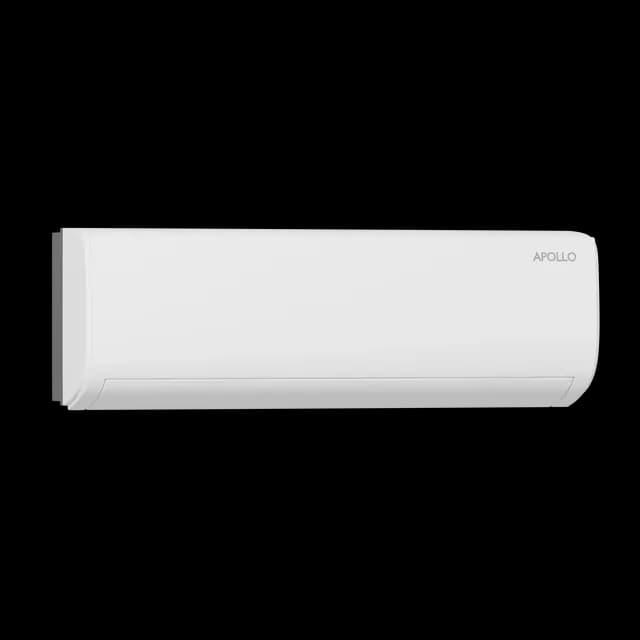
Fan coils & air handlers
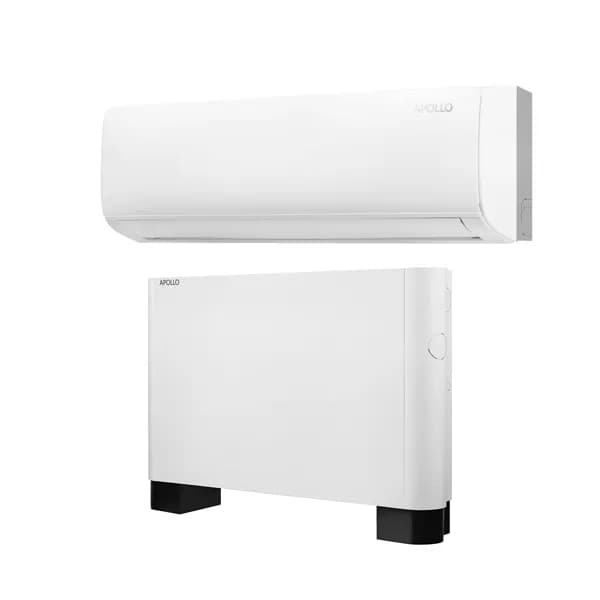
Fan coils and air handlers move warm or chilled water from the geothermal heat pump through indoor units, giving one water-to-water system a practical way to heat and air condition every room.
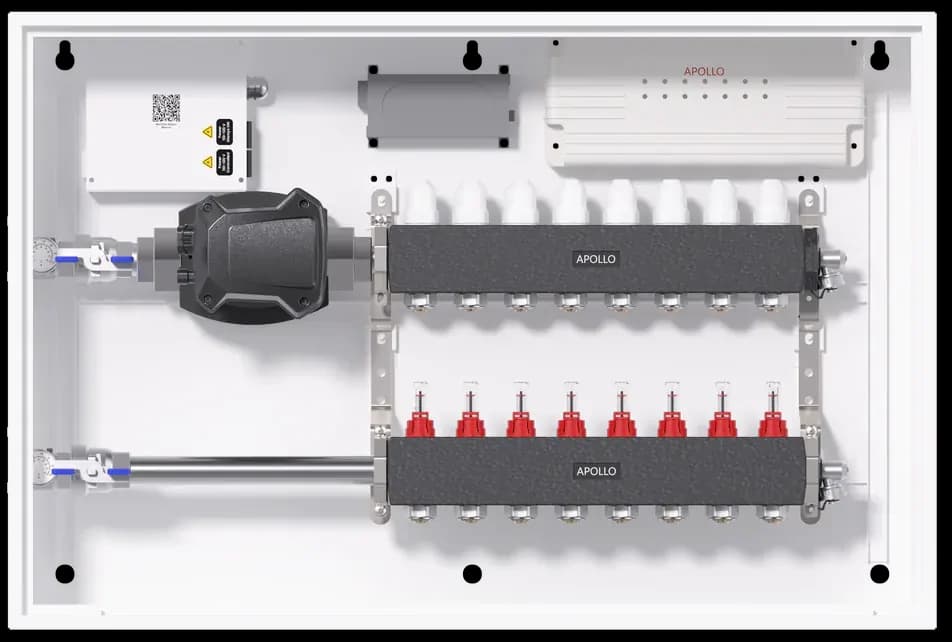
Radiant floor heating
Radiant floors pair naturally with a geothermal heat pump: warm water flows through PEX loops under the floor, and a manifold station distributes it to each zone so rooms stay balanced and evenly comfortable.
Controls & schematics
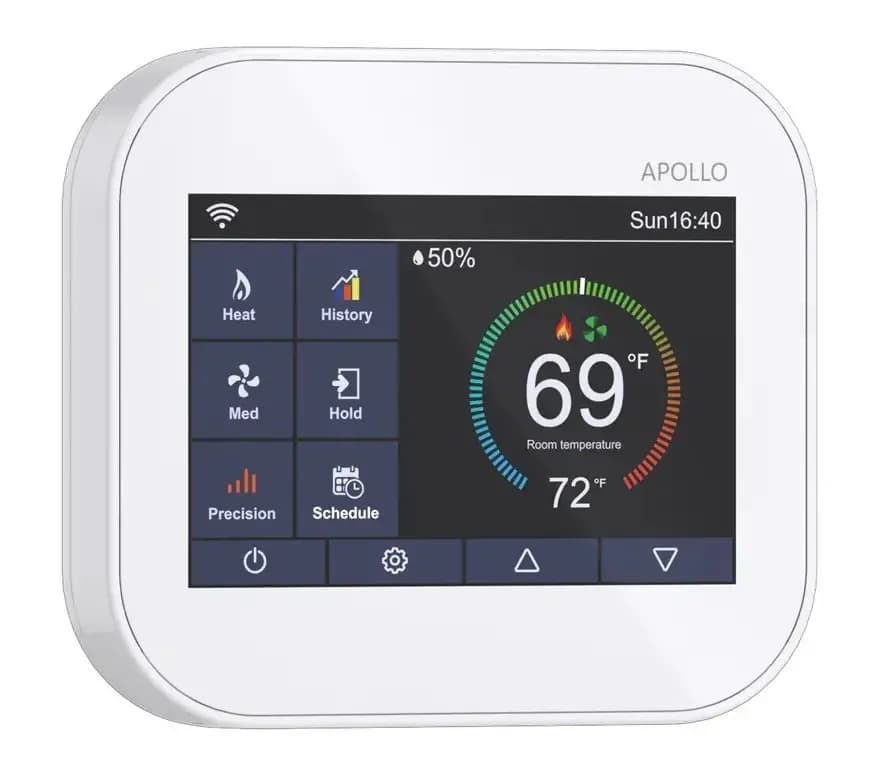
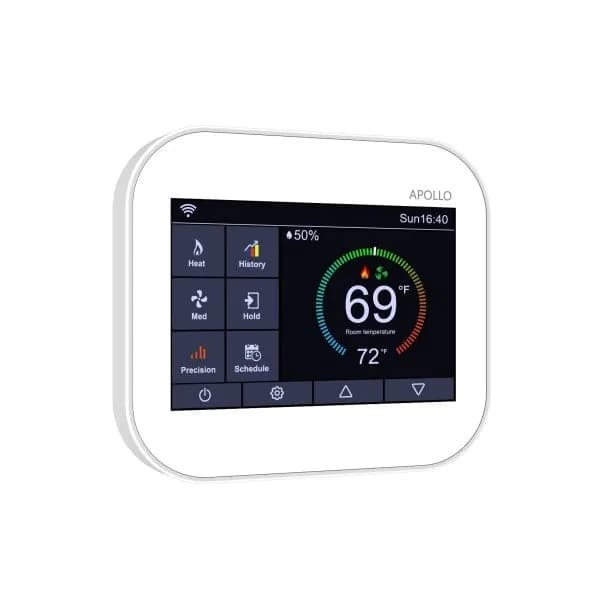
MBTEK can help plan the system around thermostats, controls, wiring, equipment layout, and hydronic schematics so installers understand how the ground loop, heat pump, and zones connect.
Pool heating
A geothermal heat pump can heat a pool when the right heat exchanger, controls, and sizing are selected for the pool and climate. Pool heating is planned as an optional application within the hydronic system.
Use the Pool Calculator
System support
Need help planning the full system?
MBTEK can help match the geothermal heat pump, ground loop requirements, tanks, controls, and system layout to your project.
BUYING GUIDE
Compare APOLLO geothermal products, understand ground loops and sizing, and learn how a complete ground source heating and cooling system works.
A geothermal, or ground source, heat pump transfers energy between the earth and a hydronic water loop instead of exchanging heat with outdoor air.
Ground-loop fluid collects or rejects heat, and the water-to-water heat pump transfers that energy to the home's hydronic system. Stable ground temperatures support consistent year-round operation.
APOLLO water-to-water systems can be planned around multiple hydronic applications, including radiant floor heating, wall-mounted fan coils, concealed fan coils, central air handlers, buffer tanks, indirect water tanks, thermostats, controls, and distribution components. The MAX series also supports high-temperature radiators and baseboards.
Choose between 4- and 6-ton models in either series using the building load, ground-loop capacity, and hydronic design rather than square footage alone.
A geothermal heat pump is a strong fit when you have space for a ground loop or access to a well or pond, want low long-term operating costs, and prefer quiet, all-indoor equipment with no outdoor unit. Because the ground loop is unaffected by outdoor air temperature, it suits any climate, including the coldest regions.
FAQ
A geothermal, or ground source, heat pump transfers energy between the earth and a hydronic water loop instead of exchanging heat with outdoor air.
Ground-loop fluid absorbs heat in winter and rejects it in summer. The heat pump transfers that energy to water serving the home's hydronic heating and cooling equipment.
An air-source heat pump exchanges heat with outdoor air, so capacity and efficiency drop as temperatures fall and the unit must run defrost cycles. A geothermal heat pump exchanges heat with the ground, which stays at a stable temperature year-round, so output stays consistent in any weather, there is no outdoor unit, and no defrost cycle is needed. Geothermal systems cost more to install because of the ground loop, but typically operate at higher seasonal efficiency.
A closed loop circulates a sealed water and antifreeze mixture through buried piping and is the most common choice. An open loop pumps water directly from a well or other source through the heat pump and discharges it, which can be very efficient where groundwater is plentiful and local codes allow it. APOLLO water-to-water heat pumps work with both configurations when the loop is designed correctly.
Horizontal loops are trenched a few feet below the frost line and suit properties with available land. Vertical loops use deep boreholes and fit smaller lots. Pond or lake loops submerge coils in a nearby body of water and can be the most economical option when one is available. The loop field is designed and installed locally; MBTEK helps confirm the heat pump and hydronic equipment that match it.
Because the ground is warmer than winter air and cooler than summer air, geothermal heat pumps typically deliver several units of heat for every unit of electricity they consume. Published heating COP for the standard APOLLO Geothermal reaches up to 6.7 on the 4 ton model under low-temperature water-loop conditions, and the MAX series is rated at an annual COP of 4.2 with a SCOP as high as 5.81.
Yes. Radiant floor heating is one of the best matches for a geothermal heat pump because floors run on low water temperatures, where the heat pump is most efficient. The system sends warm water through PEX tubing under the floor for even, comfortable heat.
Yes. The system supplies chilled water to compatible fan coils or air handlers for cooling and dehumidification; radiant floors are used mainly for heating.
Yes. With the correct indirect tank, controls, and system design, a geothermal heat pump can efficiently support domestic hot water.
APOLLO Geothermal and APOLLO Geothermal MAX are both offered in 4-ton (48k BTU) and 6-ton (72k BTU) models. Select the model from the building load, ground-loop capacity, and hydronic design.
The heat pump itself commonly lasts 20 to 25 years, longer than typical air-source equipment because it is installed indoors and protected from weather. A properly installed ground loop is buried infrastructure that can serve the home for 50 years or more.
Yes. Because the ground loop draws from stable underground temperatures rather than freezing air, a geothermal heat pump keeps its capacity in any climate, with no outdoor unit to ice up and no defrost cycle. That makes ground source systems a strong choice for the coldest regions of the United States and Canada.
Total project cost depends on the heat pump size and series, the ground loop type and installation, indoor distribution, tanks, controls, and accessories. The loop installation, whether vertical drilling, horizontal trenching, or a pond loop, is usually the largest variable. The best way to estimate cost is to choose the main equipment and confirm the layout with a specialist; incentive availability varies by state and utility, so check current programs.
Yes, pool heating can be part of the hydronic plan when the correct heat exchanger, controls, and system design are used. Pool heating should be planned as an optional application, not assumed by default.