APOLLO Hydro Smart Station
Shipping
$865
Free
 Skip to content
Track orders, manage your details, and sign in without a password.

Winter Is Coming — 20% OFF Sitewide Free Shipping 00d : 00h : 00m : 00s
HYDRONIC HEATING SYSTEMS, Built to Last
Designed and engineered by MBTEK as part of the APOLLO hydronic ecosystem, these hydro stations connect air-to-water or geothermal heat pumps to radiant floors, fan coils, tanks, controls, and complete mechanical-room packages. Specialized production partners build them to MBTEK specifications.
Hydronic heating systems | Heat pumps | Complete system control
Real hydronic installations
A hydro station helps turn separate pumps, valves, controls, pressurization parts, and service components into one organized indoor hub. That makes the heat pump system easier to install, easier to understand, and easier to maintain.
APOLLO hydro stations are designed and engineered by MBTEK and produced by specialized manufacturing partners to MBTEK specifications. By consolidating many separately selected field components, they can simplify piping and controls, reduce field assembly, and help lower associated installation labor. Actual requirements and savings vary by project.


A hydronic heating system moves heat through water or a water/glycol mix instead of sending refrigerant or heated air through the whole building. A heat source warms the fluid, pumps move it through insulated piping, and the system delivers comfort through radiant floors, fan coil units, air handlers, baseboards, domestic hot water tanks, or other hydronic loads.
Modern hydronic heat pump systems can also provide cooling when the equipment and indoor emitters are designed for chilled water. With the right layout, one system can support heating, cooling, domestic hot water, radiant floors, fan coils, and other loads from a central heat pump platform.
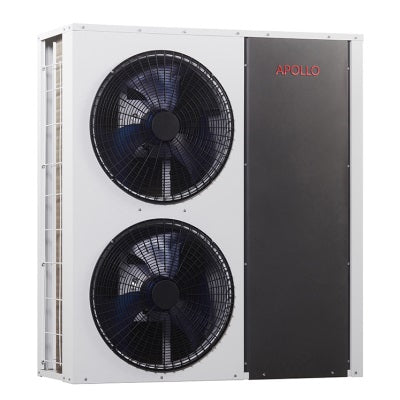
The air-to-water or water-to-water heat pump produces hot or chilled water for the hydronic loop.
The indoor station organizes circulation, controls, pressure management, service access, and system protection.
Manifolds, valves, pumps, and piping move water to each zone or load in the building.
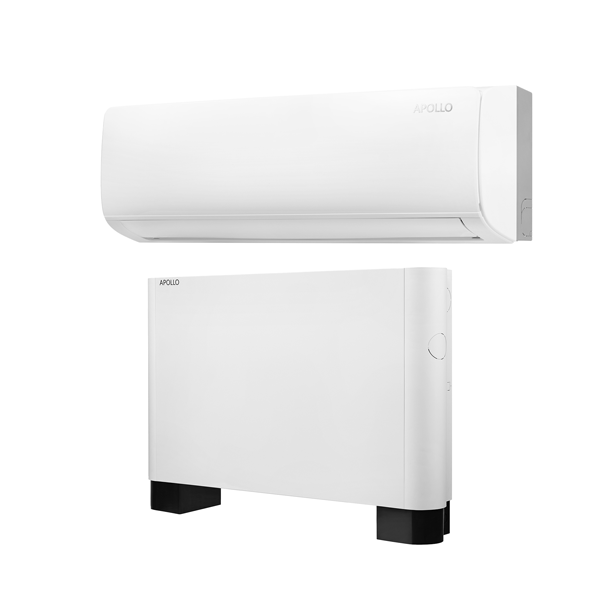
Radiant floors, fan coils, air handlers, tanks, and optional pool heat exchangers use the water loop.
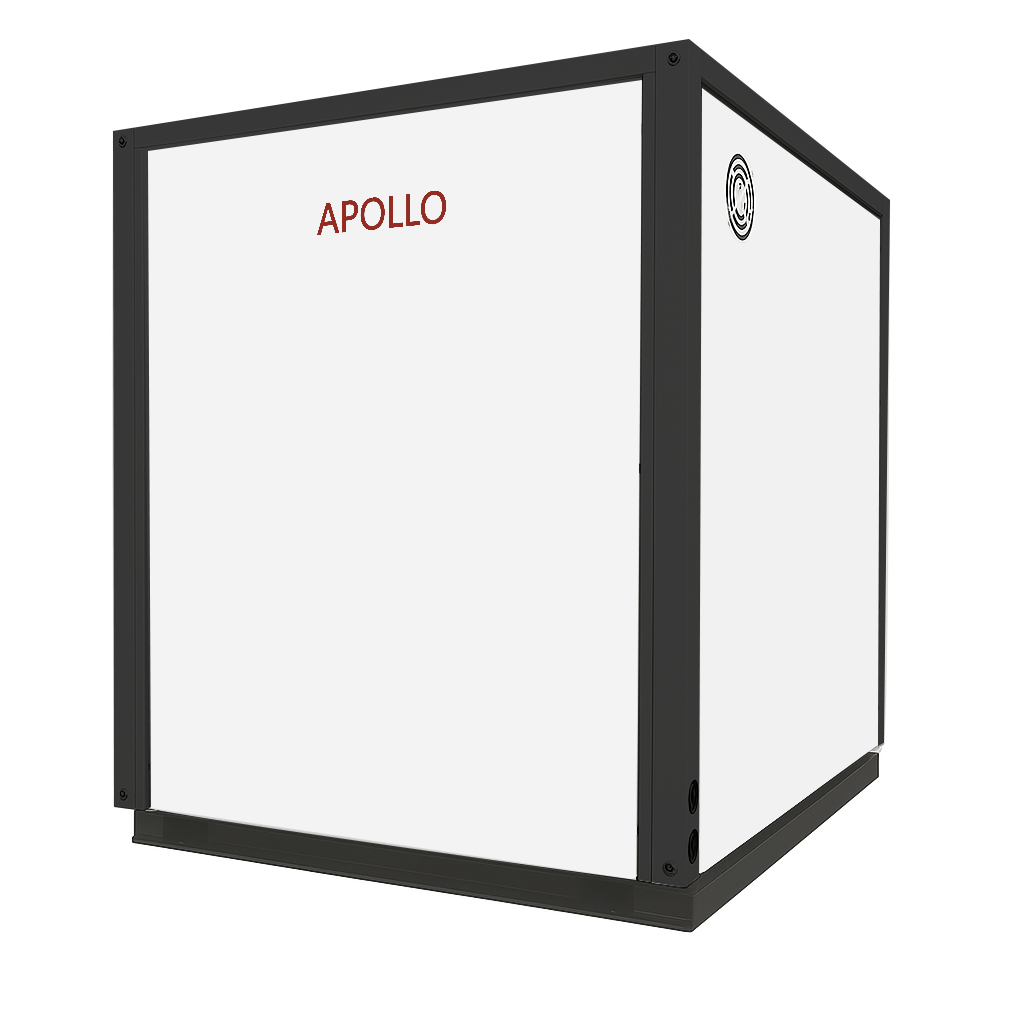
The hydro station is the indoor control and circulation hub between the heat pump and the building loads. In an air-to-water system, the outdoor heat pump sends energy into the water loop, and the hydro station helps distribute that energy to the rest of the hydronic system.
In a water-to-water or geothermal system, the station belongs on the load side of the system. The ground loop and source side still need their own design, but the hydro station can help organize the indoor heating, cooling, tank, radiant, fan coil, and service layout.
Choose the heat source
The hydro station organizes the indoor hydronic side. The heat pump is the equipment that produces the heating and cooling energy. Start with the heat pump family that fits the project, then match the station, tanks, controls, and indoor distribution.
Both stations support hydronic heat pump systems, but they solve different levels of mechanical-room complexity. Use the product pages and MBTEK sizing support to confirm the right match for the heat pump, zones, tanks, flow requirements, and project layout.
System planning
MBTEK can help match the heat pump, hydro station, buffer or DHW tank, radiant floor distribution, fan coils, controls, and installation layout before you buy.
Hydronic Heating System FAQ
Direct answers about hydronic heating systems, hydro stations, air-to-water heat pumps, geothermal heat pumps, radiant floors, fan coils, tanks, and system design.
A hydronic heating system uses water or a water/glycol mix to move heat through a building. The heat source warms the fluid, pumps move it through piping, and the system delivers comfort through radiant floors, fan coils, air handlers, baseboards, domestic hot water tanks, or other hydronic equipment.
A hydro station is the indoor control and circulation hub between the heat pump and the hydronic distribution system. It helps organize pumps, flow control, pressure management, glycol filling, service valves, air removal, gauges, and system protection so the heat pump can connect cleanly to radiant floors, fan coils, air handlers, tanks, or other loads.
Many air-to-water heat pump projects benefit from a hydro station because it reduces loose field components and gives the installer a clearer way to connect the outdoor heat pump to the indoor hydronic system. The final design depends on heat pump size, flow requirements, zones, tanks, controls, and the loads served by the system.
Yes, when it is applied on the load side of the hydronic system. A geothermal heat pump still needs a properly designed source loop, but the hydro station can help organize the indoor heating, cooling, radiant, fan coil, air handler, tank, and service side of the system.
Not necessarily. A hydro station organizes circulation, pressure, controls, and service components. A buffer tank adds water volume and thermal mass to stabilize equipment operation. Some systems use both, especially when the heat pump needs minimum water volume or when small zones could cause short cycling.
Yes, when the system is designed correctly. A hydronic heat pump system can serve radiant floors for quiet heating, fan coils or air handlers for heating and cooling, and an indirect domestic hot water tank. Controls, tank sizing, water temperatures, and piping layout must be matched to the project.
Hydro One is a compact hydronic station focused on circulation, intelligent flow control, glycol pressurization, and bypass protection. Hydro Smart Station is a larger all-in-one station with additional integrated components such as backup heat, a DHW heat exchanger, expansion tank, touchscreen control, service valves, and multi-load support.
Yes. A compatible air-to-water or water-to-water heat pump can produce chilled water for cooling. The indoor distribution must be designed for chilled water, usually with fan coils or air handlers that include condensate management. Radiant cooling requires careful dew point control and is not treated the same way as fan coil cooling.