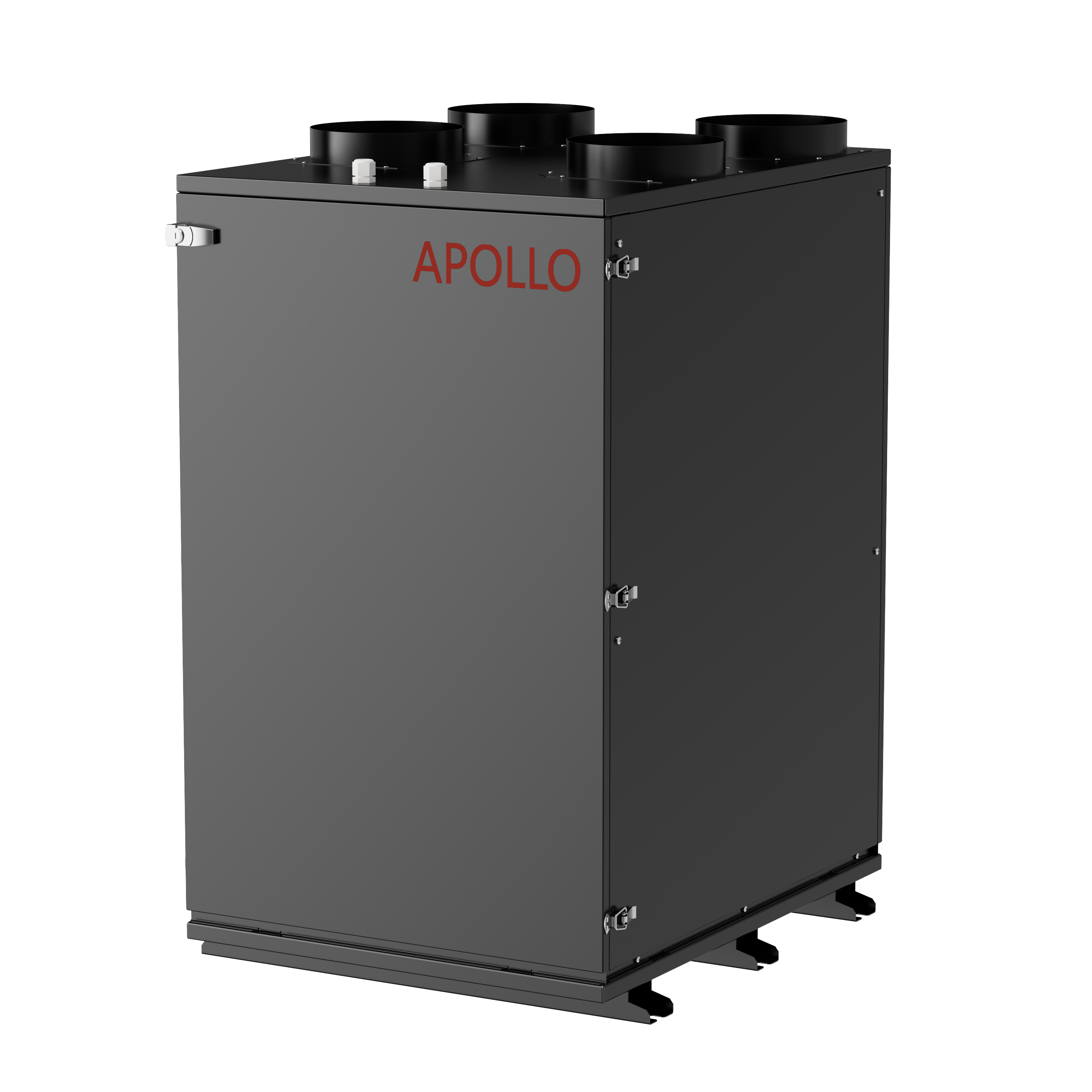
APOLLO Single Room ERV
Shipping
$165
Free
 Skip to content
Track orders, manage your details, and sign in without a password.

30% OFF fan coils, thermostats & ERVs Free Shipping 00d : 00h : 00m : 00s
FRESH AIR VENTILATION, Built to Last
Energy recovery ventilators for fresh air ventilation, indoor air quality, and energy-saving air exchange, including single-room, central, commercial, and heat pump ERV systems.
Fresh air | Energy recovery | Complete ventilation
An energy recovery ventilator, or ERV, is an HVAC ventilation unit that exhausts stale indoor air and brings in fresh outdoor air while transferring heat and moisture between the two air streams. This helps improve indoor air quality without wasting all of the heating or cooling energy already inside the building.
In a home or commercial HVAC system, an ERV can support fresh air, CO2 control, humidity balance, filtration, and more comfortable year-round ventilation. The right ERV type depends on whether the project needs one-room ventilation, whole-home ducted air exchange, commercial airflow, or fresh air with active heating and cooling.
MBTEK's APOLLO ERV lineup is built for practical HVAC ventilation projects: single-room retrofits, central whole-home ventilation, commercial fresh-air systems, and heat pump ERV applications that combine ventilation with active comfort control.
Use this collection to choose the ERV style first, then confirm airflow, installation format, controls, filters, accessories, and project fit on the product page. For larger homes, offices, schools, and commercial spaces, MBTEK can help match the ERV to the building and the rest of the HVAC system.
Start with where the ventilator installs and how much of the building it needs to serve.
ERV
An energy recovery ventilator transfers heat and moisture between outgoing stale air and incoming fresh air. This helps reduce heating and cooling losses while supporting humidity balance and indoor comfort.
HRV
A heat recovery ventilator transfers mostly heat between air streams. HRVs can be useful in some ventilation designs, but ERVs are often chosen when humidity balance, comfort, and year-round fresh air matter.
ERV ventilation helps replace stale indoor air with fresh outdoor air while reducing the energy penalty of open windows or exhaust-only ventilation. That makes it useful for tighter homes and buildings where indoor air can hold CO2, odors, moisture, and airborne particles.
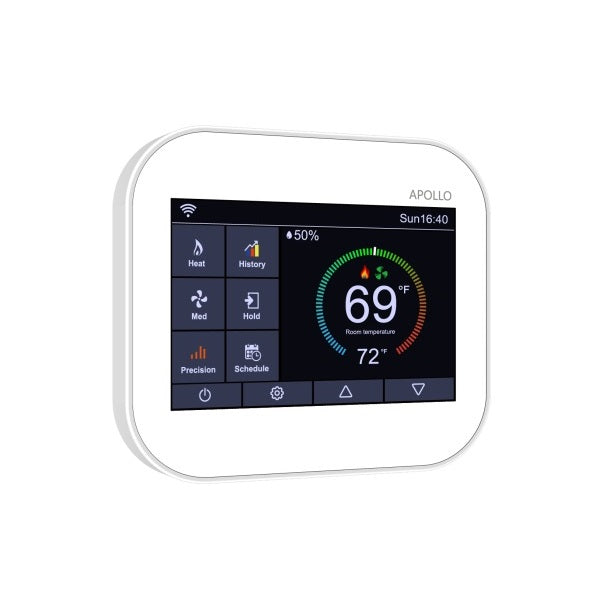
APOLLO ERV systems pair air exchange with filtration and controls. Depending on the model, the system can support room-level ventilation, whole-home fresh air, commercial air exchange, humidity control, indoor air quality monitoring, or active heating and cooling through the heat pump ERV line.
ERV sizing depends on the building, target airflow, room count, occupancy, duct layout, controls, and whether the project needs room-level or whole-building ventilation. Installation cost depends on the ERV type and building conditions, especially duct access and electrical/control work.
ERV maintenance keeps airflow, filtration, and energy recovery performance stable. Follow the product manual and use a qualified HVAC professional when service requires electrical, duct, control, or ceiling access work.
Energy Recovery Ventilator FAQ
Direct answers about ERV ventilation, HVAC fresh air systems, indoor air quality, humidity, energy savings, model selection, and maintenance.
An energy recovery ventilator is an HVAC fresh air system that exhausts stale indoor air and brings in fresh outdoor air while transferring heat and moisture between air streams. This improves ventilation while reducing heating and cooling energy loss.
An ERV uses fans to move outgoing indoor air and incoming outdoor air through a recovery core. The two air streams do not mix, but heat and moisture transfer across the core. The building gets fresh air while keeping more of its conditioned energy.
An ERV transfers heat and moisture between air streams. An HRV transfers mostly heat. ERVs are often used when humidity balance, indoor comfort, and year-round ventilation matter, while HRVs may be selected for projects where moisture transfer is less important.
Yes. An ERV supports indoor air quality by replacing stale indoor air with fresh outdoor air and, depending on the model, adding filtration, boost controls, sensors, and air quality monitoring. It can help reduce stuffiness, odors, CO2 buildup, and excess moisture.
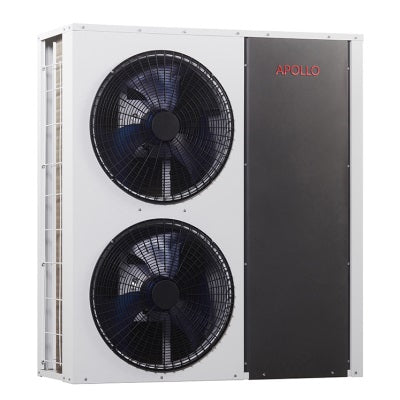
Choose the Single Room ERV for targeted room ventilation, the Central ERV for whole-home ducted ventilation, the Commercial ERV for higher-airflow commercial projects, and the Heat Pump ERV when fresh air should be combined with active heating, cooling, dehumidification, and smart comfort control.
Yes. ERVs transfer some moisture between outgoing and incoming air streams, which helps reduce humidity swings compared with exhaust-only ventilation. A heat pump ERV can also add active dehumidification depending on the model and operating mode.
An ERV can reduce ventilation-related energy loss because it recovers heat and moisture from exhaust air before that energy leaves the building. Savings depend on climate, runtime, airflow, controls, building tightness, and the heating and cooling system.
ERV maintenance usually includes replacing or cleaning filters, inspecting the recovery core or heat exchanger, keeping intake and exhaust paths clear, checking controls or sensors, and following the model manual for service intervals.