icon
Affiliate Program

Summer sale 20% off — need help? Talk to an expert

INDOOR WOOD HEATING, Built to Last

Indoor Wood Boilers

Indoor wood boilers for hydronic heating in homes, workshops, farms, and buildings, including wood gasification boiler systems for efficient firewood heat.

Indoor systems | Hydronic heating | Complete systems

Choose your wood boiler

Find the right wood boiler for your project

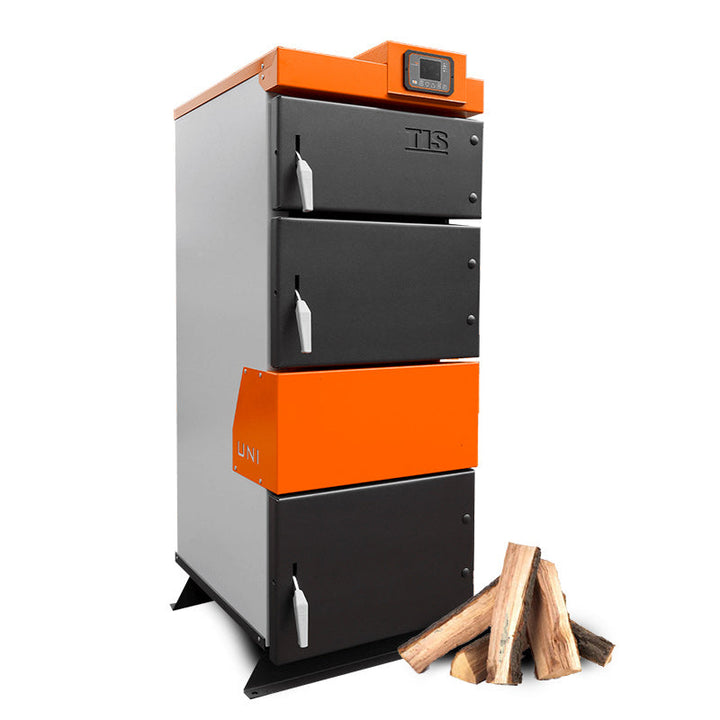
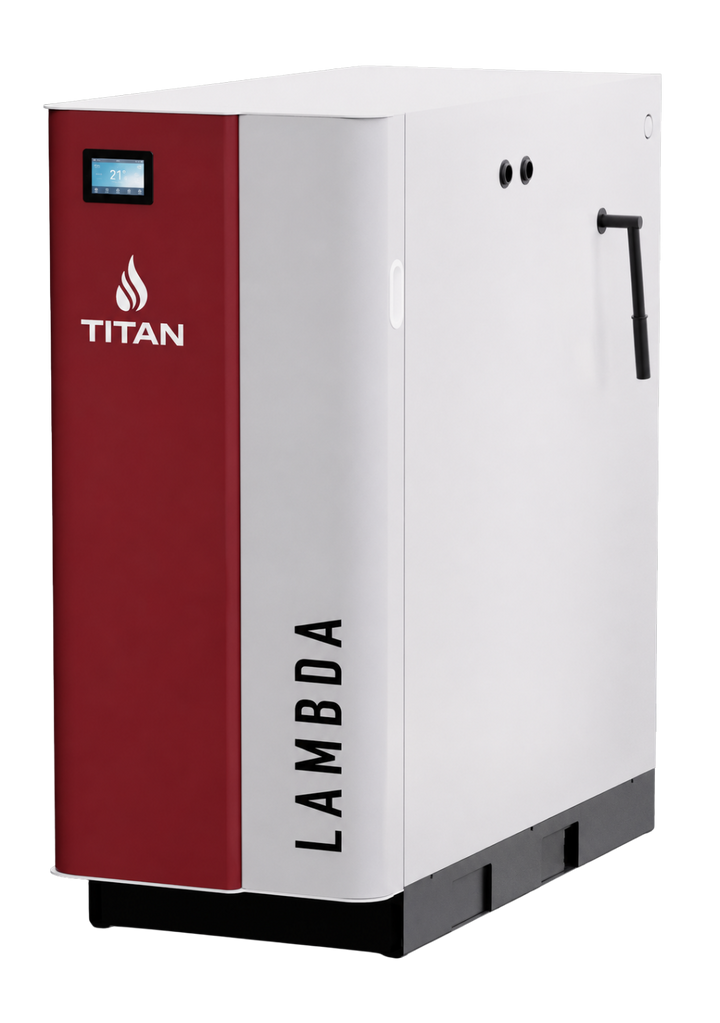
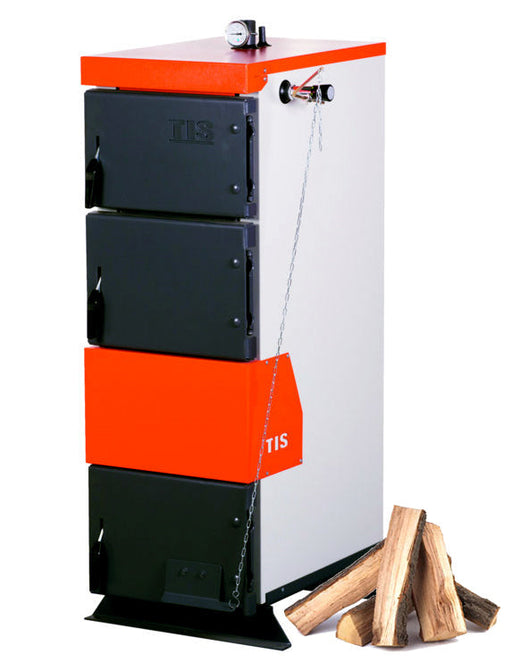
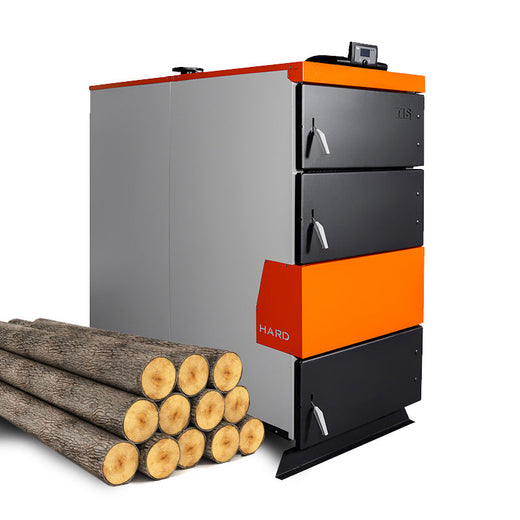
Choose the wood boiler family that fits your project. UNI covers most gasification heating needs, TITAN Lambda adds advanced automation, PRO keeps things simple at a lower upfront cost, and UNI Large handles commercial-scale demand.

Not sure which boiler fits? MBTEK can help confirm boiler size, buffer tank needs, chimney planning, controls, and accessories for your project.

Sizing guide

Compare Wood Boiler Models by Heating Capacity

Square-footage ranges are approximate. Final sizing depends on heat loss, insulation, climate, buffer tank design, chimney planning, and how the boiler will be used.

UNI Wood Boiler

Series
Model
Approx. coverage
UNI
Up to 2,500 sq ft
UNI
Up to 4,000 sq ft
UNI
Up to 5,000 sq ft
UNI
Up to 8,000 sq ft

TITAN Lambda

Series
Model
Approx. coverage
TITAN Lambda
Up to 4,000 sq ft
TITAN Lambda
Up to 6,300 sq ft

PRO Wood Boiler

Series
Model
Approx. coverage
PRO
Up to 1,500 sq ft
PRO
Up to 3,000 sq ft

UNI Large Wood Boiler

Series
Model
Approx. coverage
UNI Large
Up to 12,000 sq ft
UNI Large
Up to 25,000 sq ft
UNI Large
Up to 42,500 sq ft
UNI Large
Up to 85,000 sq ft

For large or mixed-use buildings, confirm final sizing with MBTEK before ordering.

What is an indoor wood gasification boiler?

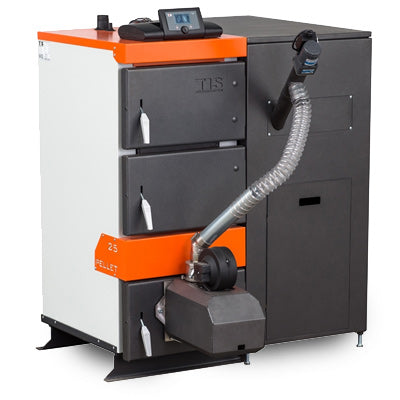
An indoor wood gasification boiler is a hydronic heating boiler that burns firewood in two stages. First, heat releases combustible wood gases from the fuel load. Then those gases burn at high temperature in a secondary chamber, sending heat into water for radiant floors, fan coils, domestic hot water loads, workshops, farms, and building heat.

The indoor part matters because the boiler is planned as mechanical-room equipment with chimney, piping, pumps, controls, protection valves, and thermal storage. It is selected as a complete hydronic system, not as a room heater.
MBTEK indoor wood boilers for hydronic heating

MBTEK indoor wood boiler systems are built around hydronic heat distribution. UNI and TITAN Lambda cover wood gasification boiler projects, while PRO is the simpler wood boiler option for buyers who want a lower upfront-cost path.

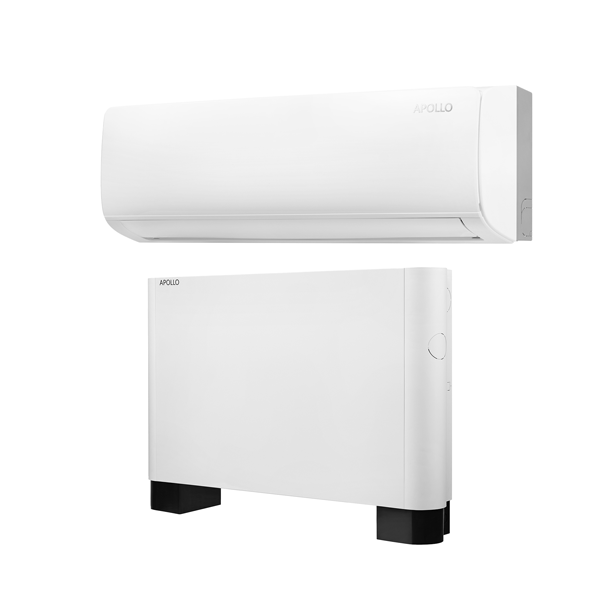
A complete system can include a buffer tank, boiler protection valve, circulator pumps, controls, radiant floor loops, fan coils, air handlers, and domestic hot water equipment. The product picker and sizing tables above keep those boiler links close to the top so buyers can move from research to model selection quickly.

Wood gasification boiler vs traditional wood boiler

Wood gasification boiler

A wood gasification boiler is designed to burn wood gases in a secondary combustion zone. This helps extract more heat from dry firewood and supports cleaner, steadier hydronic heating when the boiler, chimney, controls, and thermal storage are planned correctly.

Traditional wood boiler

A simpler wood boiler can be a practical lower-cost choice, especially for cabins, shops, and simple hydronic layouts. MBTEK positions PRO for that role, while UNI and TITAN Lambda are the stronger fit for indoor wood gasification boiler intent.

Indoor vs outdoor wood boiler

An indoor wood boiler is installed in a suitable mechanical space and connects directly into the hydronic system. This can reduce heat loss from long buried piping runs and keeps service access closer to the rest of the heating equipment.

The tradeoff is that indoor systems require proper chimney planning, combustion air, clearances, ash handling, and mechanical-room layout. This page focuses on indoor hydronic wood boilers rather than stand-alone yard units.

Sizing, buffer tanks, and installation basics

Square footage is only a starting point. Final indoor wood boiler sizing should account for heat loss, climate, insulation, ceiling height, air leakage, domestic hot water demand, radiant or fan coil loads, and whether the system is heating a home, shop, farm, or commercial building.

  • Heat loss Use a heat-loss calculation when possible, especially for large, mixed-use, or poorly insulated buildings.
  • Thermal storage A buffer tank can help store heat from a full burn and reduce cycling in many wood gasification boiler systems.
  • Boiler protection A protection valve helps maintain return-water temperature so the boiler can operate in a healthier range.
  • Chimney plan Confirm flue sizing, draft, clearances, combustion air, and local code before finalizing the mechanical-room layout.

Maintenance basics for indoor wood gasification boilers

Indoor wood gasification boilers need regular cleaning and annual hydronic service. Dry wood, clean heat-transfer surfaces, correct draft, and healthy water-side components all affect performance.

  • Fuel quality Burn properly seasoned firewood. Wet fuel reduces efficiency and increases soot, creosote risk, and cleaning needs.
  • Cleaning Remove ash, clean heat exchanger surfaces, and inspect the nozzle, refractory, and combustion chamber on the manual schedule.
  • Chimney and seals Inspect flue paths, draft, door gaskets, and smoke seals so combustion stays controlled and safe.
  • Hydronic service Check pumps, valves, controls, expansion tank, water quality, and buffer tank components as part of annual system service.

Wood Gasification Boiler FAQ

Indoor Wood Gasification Boilers - Frequently Asked Questions

Direct answers about indoor wood boilers, gasification, hydronic heating, sizing, buffer tanks, installation planning, and maintenance.

What is an indoor wood gasification boiler?

An indoor wood gasification boiler is a hydronic heating boiler that burns firewood in two stages and transfers the heat into water for space heating or domestic hot water loads. It is installed in a suitable indoor mechanical space with chimney, piping, controls, and safety planning.

How does a wood gasification boiler work?

A wood gasification boiler heats firewood so combustible gases are released, then burns those gases in a secondary high-temperature zone. The boiler transfers that heat into water, and the hydronic system moves the heat to floors, coils, tanks, or air handlers.

Is an indoor wood boiler different from an outdoor wood boiler?

Yes. An indoor wood boiler is installed in a suitable mechanical room and connects directly to the hydronic system. That can reduce heat loss from long exterior piping runs, but it requires correct chimney, clearances, combustion air, and indoor service planning.

What is the difference between a wood gasification boiler and a traditional wood boiler?

A wood gasification boiler uses secondary combustion to burn wood gases that simpler boilers may not fully capture. This can improve heat extraction and burn quality when the boiler is paired with dry wood, correct draft, controls, and thermal storage.

Which MBTEK wood boiler should I choose?

Choose UNI for most indoor wood boiler projects, TITAN Lambda for advanced wood gasification control, PRO for a simpler lower-cost wood boiler, and UNI Large for commercial or industrial-scale heating. Final selection should be based on heat loss, building type, fuel plan, and hydronic design.

Do wood gasification boilers need a buffer tank?

Many wood gasification boiler systems benefit from a buffer tank because a full wood burn can produce more heat than the building needs at that moment. Thermal storage can capture that heat, reduce cycling, and improve comfort when the system is designed correctly.

How do I size an indoor wood boiler?

Size an indoor wood boiler from heat loss, climate, insulation, building use, domestic hot water demand, hydronic distribution, and thermal storage. Square-footage ranges are useful for screening models, but final sizing should be confirmed before ordering.

What maintenance does an indoor wood gasification boiler need?

Maintenance includes burning dry wood, removing ash, cleaning heat exchanger surfaces, inspecting the chimney and flue, checking door gaskets, inspecting refractory or nozzle areas, and servicing pumps, controls, valves, expansion tank, and water quality.

Sunday,Monday,Tuesday,Wednesday,Thursday,Friday,Saturday
January,February,March,April,May,June,July,August,September,October,November,December
Not enough items available. Only [max] left.