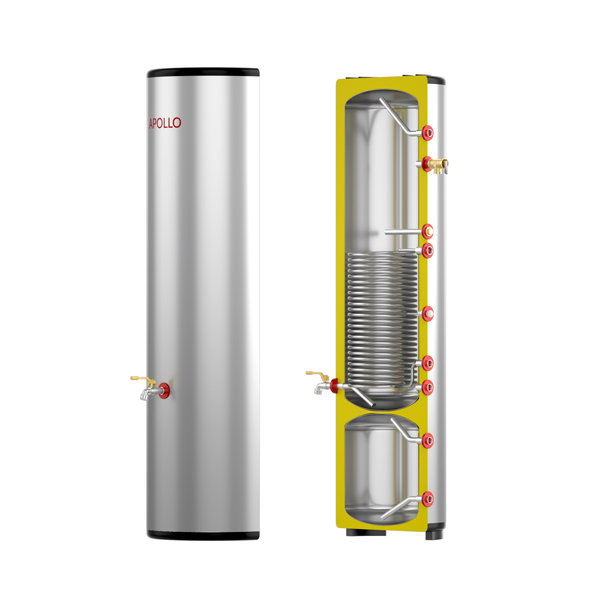
APOLLO BF30 - Stainless Buffer Tank - 30gal
Shipping
$266
Free
 Skip to content
Track orders, manage your details, and sign in without a password.

Stay Cool This Summer - 20% OFF Free Shipping 00d : 00h : 00m : 00s
HYDRONIC STORAGE, Built to Last
Stainless steel buffer tanks for heat pumps, boilers, chilled water, and hydronic heating and cooling systems. Designed to improve system stability, reduce short cycling, and support efficient performance.
Heat pumps | Boiler systems | Hydronic storage
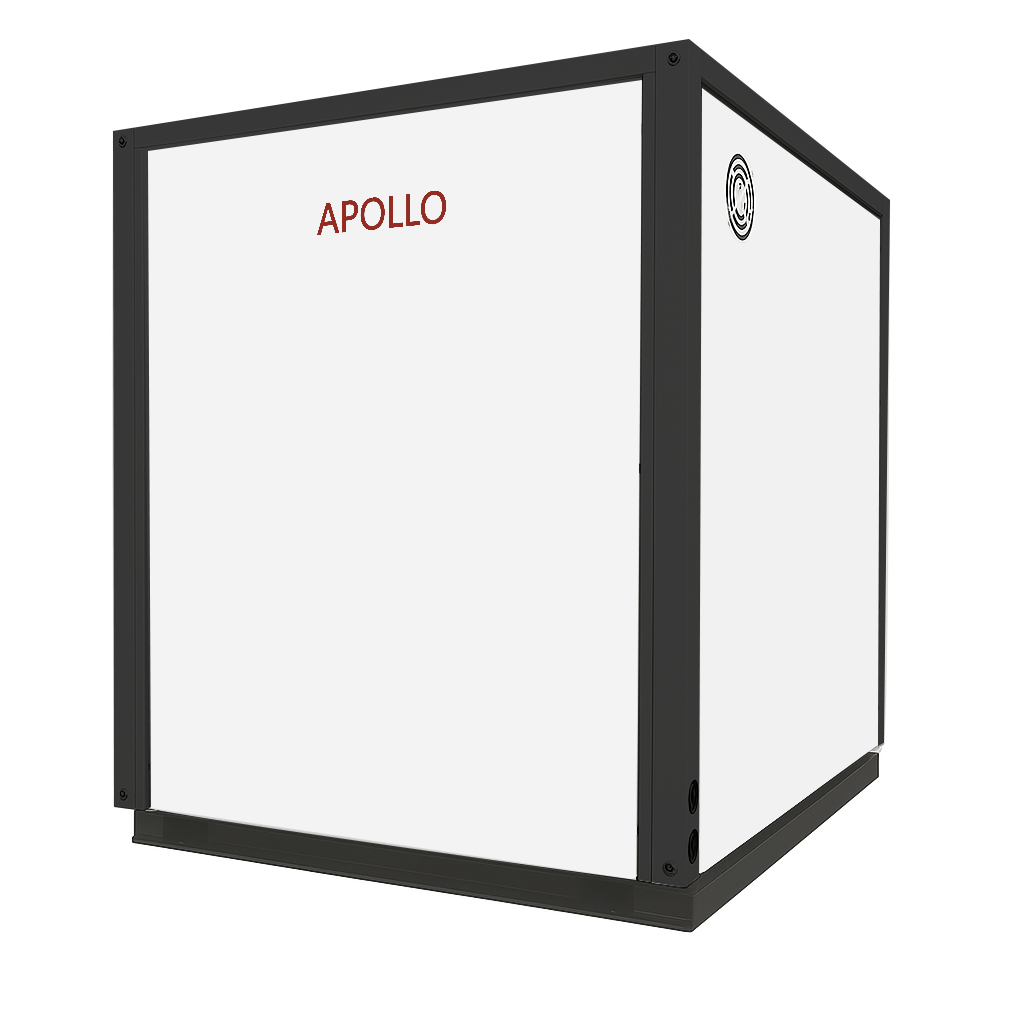
A stainless steel buffer tank is an insulated hydronic storage tank that adds water volume and thermal mass to a heating or cooling loop. In a heat pump, boiler, or chilled water system, the tank helps stabilize supply temperature, improve minimum system volume, and reduce short cycling.
Unlike a general storage tank, a hydronic buffer tank is selected as part of the mechanical system. It supports equipment runtime, flow stability, zoning behavior, and comfort in systems with radiant floors, fan coils, air handlers, boilers, or air-to-water heat pumps.
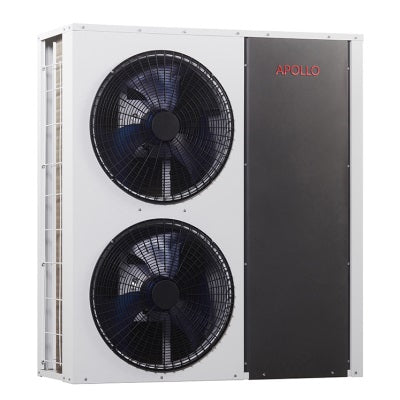
APOLLO stainless steel buffer tanks are built for MBTEK hydronic systems, including air-to-water heat pumps, boiler systems, chilled water loops, radiant heating, fan coils, commercial air handlers, and mechanical-room packages.
This collection targets installed HVAC and hydronic applications. Use it when the project needs buffer volume for heating or cooling performance, not a generic water storage vessel.
Start with system type, heat source output, load profile, available space, and required hydronic volume. Then confirm tank size, connection layout, coil configuration, and installation details on the product page.
Buffer tank
A buffer tank adds usable water volume to a hydronic heating or cooling loop. Its job is system stability, thermal mass, minimum runtime, and smoother operation.
Storage tank
A storage tank is a broad category. For MBTEK systems, the relevant storage use is hydronic buffer volume that supports heat pumps, boilers, chilled water, radiant, fan coil, or air handler equipment.
Expansion tank
An expansion tank absorbs fluid expansion and helps manage system pressure. It does not replace a buffer tank because it does not provide the same thermal storage volume.
Modern hydronic systems often have small zones, variable loads, and equipment that performs better with stable flow and longer runtime. A buffer tank can help the heat source avoid rapid on/off cycling when the active load is smaller than the equipment output.
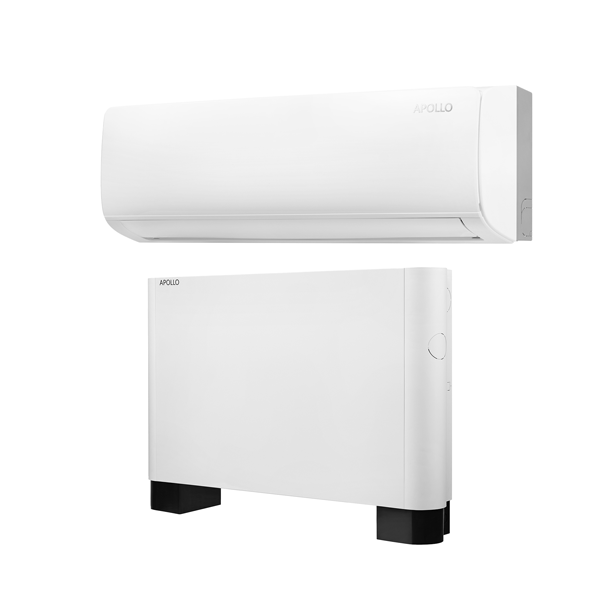
In air-to-water heat pump systems, buffer volume can support defrost behavior, small-zone operation, radiant floor loops, and fan coil loads. In boiler and chilled water systems, it can help stabilize temperature swings and improve operating consistency.
Buffer tank sizing depends on the complete hydronic design. A contractor should confirm heat source output, minimum runtime, total system volume, flow rate, temperature differential, zoning, piping strategy, heating and cooling loads, and available access space.
A stainless steel buffer tank is a durable hydronic component, but the complete system still needs routine checks. Follow the product manual, local code, and the maintenance schedule for the heat source, pumps, controls, valves, and fluid treatment.
Stainless Buffer Tank FAQ
Direct answers about hydronic buffer tanks, heat pump and boiler compatibility, chilled water systems, sizing, installation, and maintenance.
A stainless steel buffer tank is an insulated hydronic tank that adds water volume and thermal mass to a heating or cooling loop. It helps heat pumps, boilers, and chilled water systems run with more stable temperatures and fewer short cycles.
A buffer tank increases system volume so the heat source has more water to heat or cool before cycling off. This can help stabilize flow, reduce temperature swings, support small zones, and improve comfort in hydronic heating and cooling systems.
Some air-to-water heat pump systems need a buffer tank, especially when the distribution side has small zones, low water volume, variable loads, or minimum flow requirements. The final decision depends on the heat pump, load, controls, and piping design.
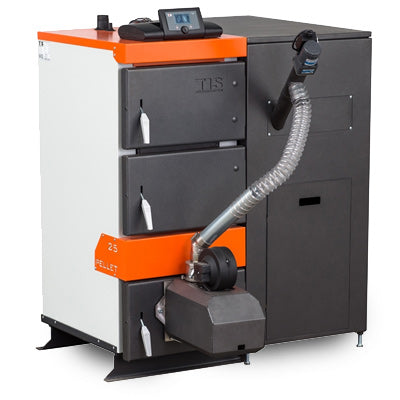
Boilers may need a buffer tank when the system load is often lower than boiler output, when zoning creates short cycles, or when the design needs additional hydronic volume. A contractor should match tank capacity to the boiler and system behavior.
A storage tank is a broad term for holding fluid. A buffer tank is a specific hydronic storage tank that adds thermal mass and water volume to a heating or cooling system. In MBTEK systems, buffer tanks are selected for HVAC performance and equipment stability.
A buffer tank provides hydronic volume and thermal storage. An expansion tank absorbs fluid expansion and helps protect the system as temperature changes. Both can appear in the same mechanical room, but they solve different problems.
Size a buffer tank from heat source output, minimum runtime, system volume, flow rate, temperature differential, zone behavior, and heating or cooling load. There is no single universal size for every hydronic system, so sizing should be confirmed by the project designer or contractor.
Maintenance includes checking hydronic connections, insulation, safety components, air removal, drain points, sensor wells, and water or glycol quality. The tank should be maintained as part of the complete hydronic heating or cooling system.