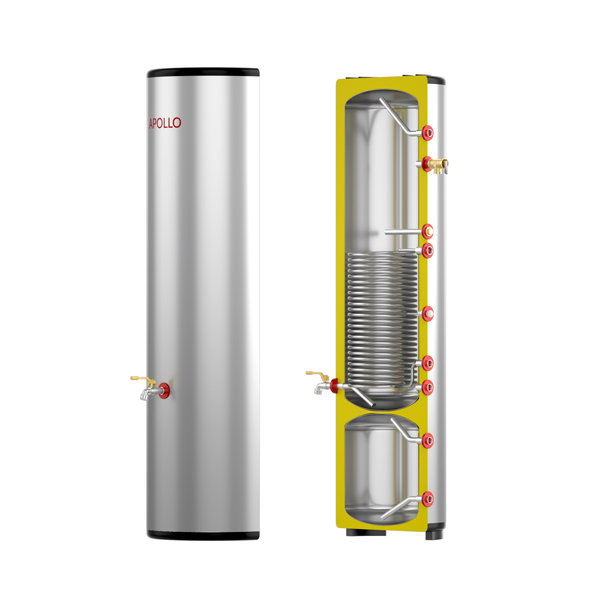
APOLLO DHW80 - Stainless Indirect Water Heater Tank - 80gal
Shipping
$495
Free
 Skip to content
Track orders, manage your details, and sign in without a password.

Extended — Winter Is Coming — 20% OFF Sitewide Free Shipping 00d : 00h : 00m : 00s
STAINLESS HOT WATER STORAGE, Built to Last
Stainless steel water tanks for domestic hot water storage, indirect water heating, and hydronic systems, including residential, commercial, and large-capacity applications.
Domestic hot water | Indirect heating | Complete systems
A stainless steel indirect water heater tank stores domestic hot water and heats it with an external heat source through a coil inside the tank. Instead of using its own gas burner or electric element, the tank connects to a boiler, air-to-water heat pump, or hydronic loop.
The key advantage is system integration: one hydronic heat source can support space heating and domestic hot water, with the tank acting as the dedicated hot water storage point.
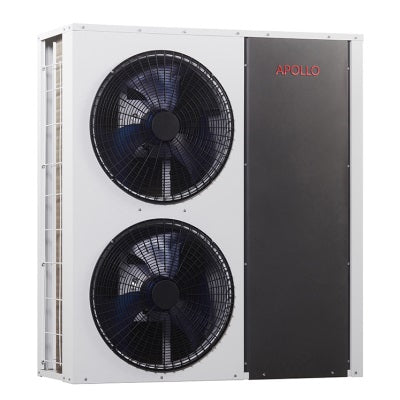
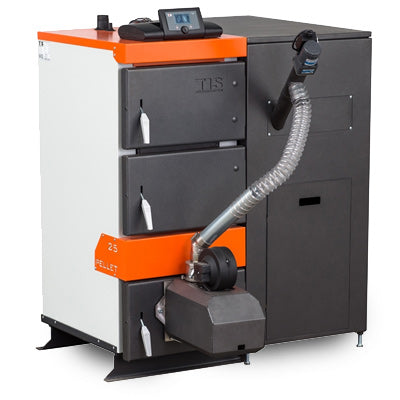
APOLLO stainless steel water tanks are built for domestic hot water in hydronic mechanical rooms. In a boiler system, the boiler heats water through the tank coil. In an air-to-water heat pump system, the heat pump can supply the tank as part of a complete heating and DHW layout.
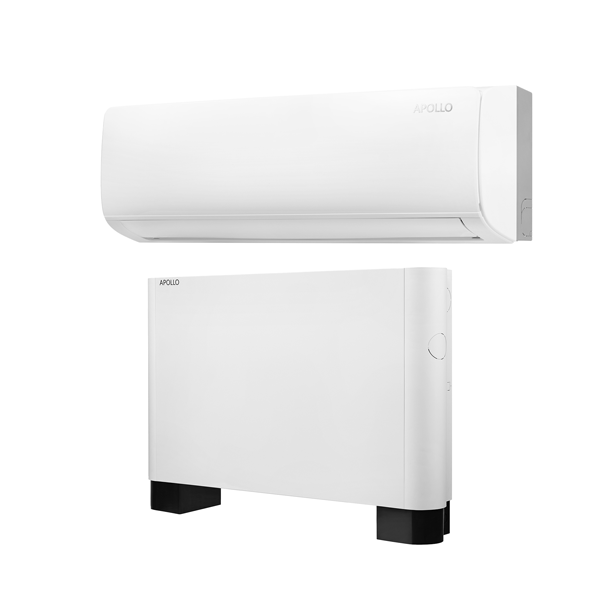
For projects with radiant floors, fan coils, hydro stations, and domestic hot water, the tank becomes one part of a full hydronic system. That is the MBTEK use case: complete mechanical-room solutions built around heating, cooling, and domestic hot water.
Tank choice depends on domestic hot water demand, heat source capacity, recovery expectations, available space, and whether the system also needs buffer volume.
Indirect water heater tank
A dedicated domestic hot water tank stores potable hot water and heats it through an internal coil connected to the boiler or heat pump loop. This is the direct choice when the project mainly needs DHW storage and recovery.
Combined DHW and buffer tank
A combined tank includes domestic hot water storage and hydronic buffer volume in one unit. This can reduce equipment count and help heat pump systems maintain stable flow, volume, and cycling behavior.
Size a stainless steel hot water tank around real demand, not only household count. Consider number of bathrooms, shower use, fixture flow, simultaneous loads, commercial peak periods, heat source output, recovery rate, incoming water temperature, and mechanical-room space. For combined DHW and buffer tanks, also account for minimum hydronic system volume and heat pump flow requirements.
Stainless steel is used for domestic hot water tanks because it resists corrosion, handles repeated heating cycles, and keeps stored water in contact with a durable inner surface. For long-term hot water storage, tank material matters as much as gallon capacity.
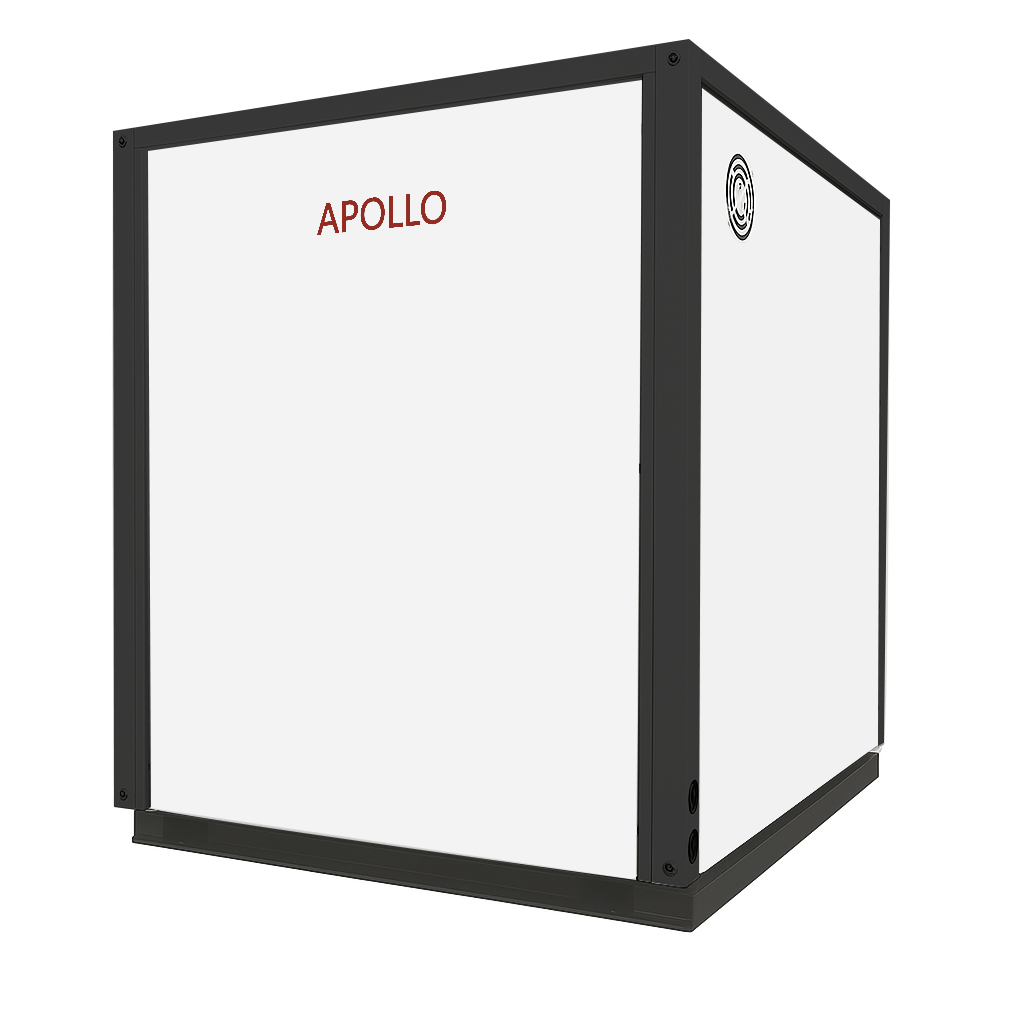
APOLLO DHW tanks use stainless steel storage and heat-transfer surfaces, with insulation to reduce standby heat loss. The result is a practical hot water storage tank for hydronic systems where durability, recovery, and service life matter.
A stainless steel domestic hot water tank still needs regular system checks. Follow the product manual and local code requirements, and use a qualified plumbing or heating contractor for installation and service.
Stainless Steel Water Tank FAQ
Direct answers about stainless steel domestic hot water tanks, indirect water heating, hydronic compatibility, sizing, combined buffer storage, and maintenance.
A stainless steel indirect water heater tank stores domestic hot water and heats it with an external boiler, air-to-water heat pump, or hydronic heat source through a heat exchanger coil inside the tank. It does not use its own burner like a conventional standalone gas water heater.
A standard water heater usually contains its own heat source, such as a burner or electric element. An indirect water heater tank stores domestic hot water but receives heat from separate equipment, such as a boiler or heat pump. That makes it useful in hydronic systems where one central heat source can support space heating and domestic hot water.
Yes. Stainless steel water tanks are well suited for domestic hot water because stainless steel resists corrosion, tolerates repeated heating cycles, and provides a durable storage surface for potable hot water applications. Correct installation, water quality, and maintenance still matter for long service life.
Yes. APOLLO stainless steel DHW tanks are designed for hydronic systems and can be paired with compatible boilers, heat pumps, hydro stations, pumps, controls, and distribution equipment. The heat source supplies hot water to the tank coil, and the tank stores domestic hot water for fixtures.
Yes. A stainless steel DHW tank can work with an air-to-water heat pump when the tank, coil, controls, and system design are matched to the heat pump output and required water temperature. Combined DHW and buffer tanks can also add hydronic volume for heat pump systems that need stable flow and reduced cycling.
Choose the tank size from peak hot water demand, number of fixtures, simultaneous use, heat source capacity, recovery rate, incoming water temperature, and available mechanical-room space. For commercial projects or heat pump systems, a qualified contractor should confirm sizing and whether buffer volume is required.
A combined DHW and buffer tank puts domestic hot water storage and hydronic buffer volume in one unit. This can save mechanical-room space, reduce separate tank count, and help heat pump systems maintain stable water volume and flow.
Maintenance includes inspecting connections, checking safety components, monitoring water quality, servicing pumps and controls, and following the product manual for any required flushing or inspection schedule. Installation and service should be handled by qualified plumbing or heating professionals.